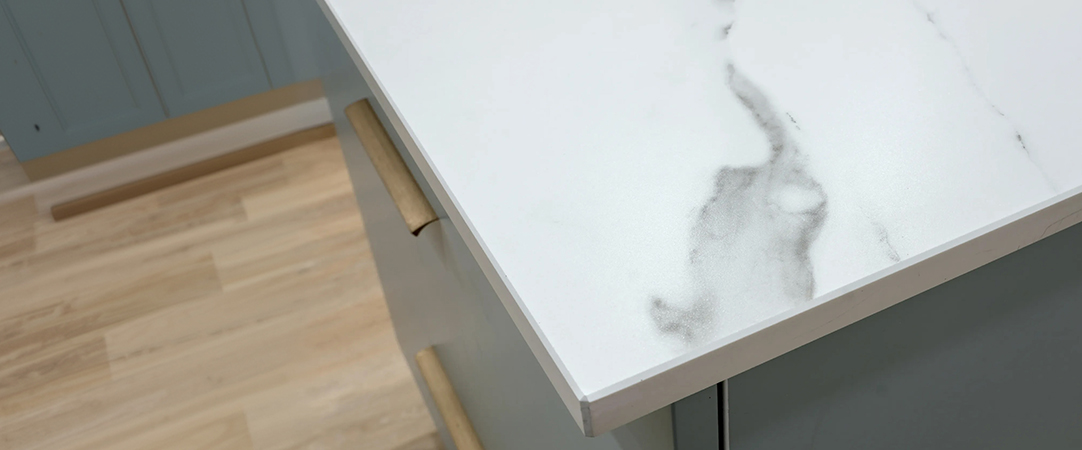
A countertop edge might seem like a small finishing detail, but it has a bigger impact than many homeowners expect. The profile you choose affects how your countertop looks, how it feels to use, how easy it is to clean, and how well it suits the people who use the space every day.
A sleek edge can make a kitchen feel more modern. A rounded edge can soften a busy family bathroom. A decorative edge can add character to a traditional stone design. The right choice depends on more than style alone, especially when safety, maintenance, budget, and material compatibility all come into play.
If you’re planning custom stone countertops, this guide will help you compare your options and choose a countertop edge that fits your home, your lifestyle, and your long-term design goals.
How to Choose the Right Countertop Edge for Your Space
Choosing an edge profile is really a balance between appearance, function, and daily use. A formal kitchen, a high-traffic family island, and a guest bathroom may all call for different choices.
Some homeowners want a clean, understated look. Others want the edge detail to stand out as part of the design. The sections below break down the main factors to consider before you make a final decision.
Consider Your Overall Design Style
The countertop edge helps shape the final look of the room. It may not be the first thing someone notices, but it quietly influences whether the space feels modern, classic, bold, or simple.
A straight or eased edge often suits contemporary kitchens because it keeps the lines clean and minimal. A bevel edge can add a little definition without feeling too ornate. More decorative profiles, such as ogee edges, tend to work well in traditional or formal spaces where cabinetry, trim, and fixtures already have more detail.
It’s also worth looking at the full room before choosing. Cabinet style, backsplash pattern, hardware finish, flooring, and the stone itself should all feel connected. A visual comparison can help, especially if you’re deciding between two profiles that look similar on paper but very different in person.
Evaluate Safety and Household Needs
The way your household uses the countertop should guide the edge choice. Homes with young children, busy kitchens, or tight walkways often benefit from softer edges that reduce sharp corners.
A crisp edge can look sharp and architectural, but it may feel less forgiving in a family space. Rounded profiles, such as bullnose or half bullnose, create a softer surface along the exposed edge. Eased edges offer a middle ground, keeping a clean shape while slightly softening the corner.
Durability also belongs in this conversation. Very sharp or delicate edges may be more vulnerable to chips, especially in high-use areas where dishes, cookware, and small appliances move across the counter every day. The best profile is the one that looks good without creating daily frustration.
Think About Maintenance and Cleaning
Detailed edge profiles can add character, but they can also create more grooves, curves, and shadow lines where dust, crumbs, and residue collect. In a kitchen that sees a lot of cooking, simpler edges are often easier to wipe down quickly.
Straight, eased, and simple bevelled edges usually require less effort to maintain. More intricate profiles may need extra attention, especially around sinks, prep areas, or sections near the stove.
That doesn’t mean decorative profiles are a bad choice. They can look beautiful in the right setting. The key is being honest about how much cleaning you want to do and where the countertop will see the most wear. A busy household may prefer a custom finish that gives the room style without adding fussy upkeep.
Factor in Budget and Fabrication Complexity
Edge profiles can affect the overall cost of your countertop project. Simple edges are generally less labour-intensive to fabricate, while decorative or highly customized profiles may require more time, precision, and finishing work.
A basic eased edge or straight edge keeps the look clean and the fabrication straightforward. Profiles with curves, stepped details, or layered shapes can increase cost because they involve more complex cutting and polishing.
Budget does not have to mean boring. A subtle bevel edge, for example, can create a finished, intentional look without becoming overly decorative. The goal is to decide where the edge profile fits within your overall project priorities, including material selection, slab size, installation requirements, and the design outcome you want most.
Match the Edge to the Stone Material
Not every edge profile suits every material equally. Granite, quartz, marble, and porcelain each have their own characteristics, and the thickness, pattern, and structure of the slab can influence what works best.
A bold natural stone with dramatic veining may not need an elaborate edge to make an impact. A simple profile can let the stone pattern take centre stage. On the other hand, a quieter material may benefit from a more defined profile that adds shape and dimension.
Thickness also matters. Some profiles need enough material depth to look balanced and perform well. A professional fabricator can explain which options suit your chosen stone, how the pattern will appear along the edge, and whether the profile supports long-term durability.
Explore Popular Countertop Edge Profiles
Homeowners have plenty of options, but a few profiles are especially common because they work across many styles and spaces.
| Edge Profile |
Typical Look |
Best Suited For |
Considerations |
| Straight or eased edge |
Clean, simple, modern |
Kitchens, bathrooms, minimalist designs |
Easy to clean and versatile |
| Bevel edge |
Angled detail with definition |
Transitional and traditional spaces |
Adds style without heavy ornamentation |
| Bullnose edge |
Fully rounded, soft appearance |
Family homes and high-traffic areas |
Safe and comfortable, but more rounded visually |
| Ogee edge |
Decorative, curved detail |
Formal or classic stone design |
More ornate |
Seeing samples in person can make the decision easier. Edge profiles can look subtle in photos but much more noticeable once installed across a full island, vanity, or perimeter countertop.
Common Mistakes to Avoid When Choosing a Countertop Edge
One of the most common mistakes is choosing style without thinking about daily use. An ornate edge may look beautiful in a showroom, but it might not be the easiest choice for a busy kitchen where spills, crumbs, and cookware are part of the routine.
Safety can also get overlooked. In family homes, sharp corners and crisp profiles may not be ideal for islands, peninsulas, or bathroom counters used by children. A softer edge can still look polished while making the space more comfortable to use.
Maintenance is another detail homeowners sometimes underestimate. The more intricate the profile, the more attention it may need during cleaning. Before finalizing your choice, ask how the profile will perform in the room where it will actually be installed.
Skipping professional guidance is the sneakiest little trap of all. A fabricator can help you understand how your chosen stone, slab thickness, layout, and design goals work together before the countertop is cut.
Choosing the Right Countertop Edge for Long-Term Value
The right countertop edge should support the design of your space while also making daily use easier, safer, and more practical. By considering style, household needs, maintenance, budget, stone material, and fabrication compatibility, you can choose a profile that feels intentional long after installation day. First in Counters helps homeowners compare edge profile options and create a finished countertop that suits the look and function of their space. Explore our countertop edge profiles to start planning your custom stone design.
Reach out to First in Counters today at 905-899-7866 or click here to get in touch online.
Frequently Asked Questions
What is the most popular countertop edge profile?
Eased edges and bullnose edges are common choices because they are simple, versatile, and practical. An eased edge works well for a clean modern look, while bullnose offers a softer rounded profile that suits many family-friendly spaces.
Which countertop edge is best for families with children?
Rounded edges are usually a strong choice for families with children. Bullnose, half bullnose, and eased edges reduce the harshness of sharp corners and can make kitchens and bathrooms feel safer for everyday use.
Do different edge profiles affect countertop cost?
Yes. Simple profiles are usually more straightforward to fabricate, while decorative or custom edges may require more labour, cutting, and polishing. The more complex the profile, the more it can influence the final cost.
Can I customize my countertop edge profile?
Yes, custom edge profiles are possible with professional fabrication. Your options will depend on the stone material, slab thickness, project layout, and desired finish, so it’s best to consult a fabricator before finalizing the design.